Witness the Meteor Showers
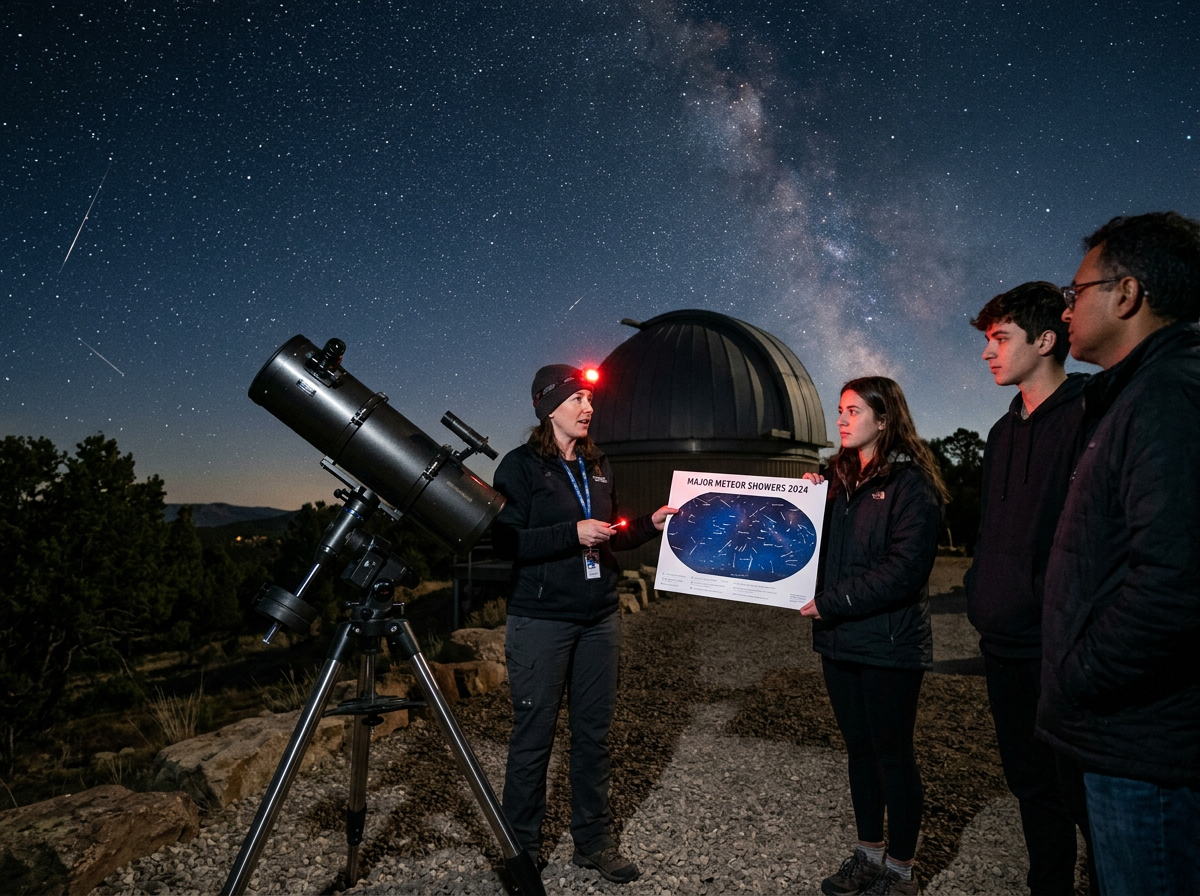
Experience the celestial phenomenon of meteor showers with The Curious Cosmos. Our comprehensive guide will inform you of the best time and location to witness these magnificent cosmic events. Delve into the intricacies of meteor showers such as their origins, meteoroid trajectories, entry speed, and radiant points. Also, learn about peak viewing times, which are largely influenced by factors such as moon phases and Earth’s position along its orbit. No prior knowledge of astronomy is needed – The Curious Cosmos makes these complex topics approachable for everybody. By sharing the awe and wonder of meteor showers, we hope to inspire a love for space and the universe in our readers. Let us bring the marvels of the cosmos to you.
Eclipses
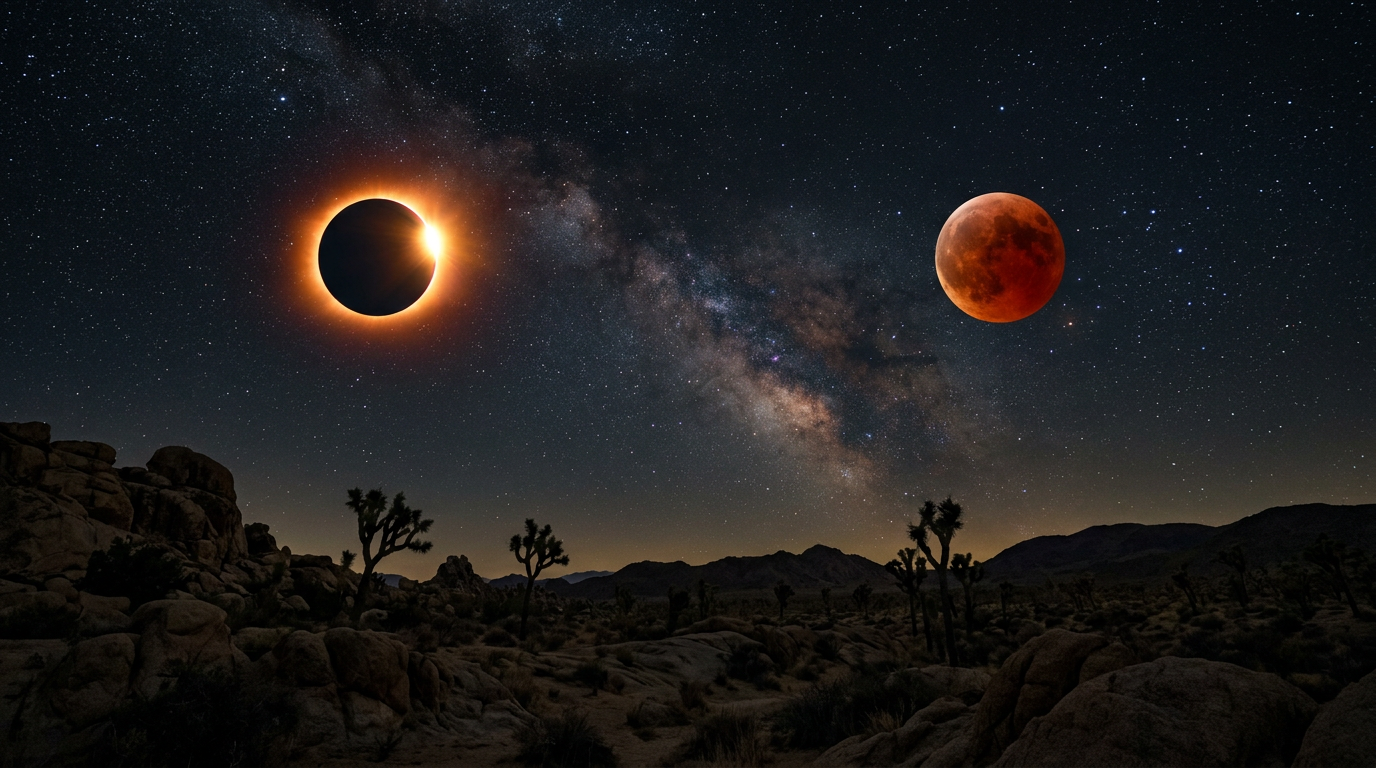
Dive into the captivating world of eclipses, unravel the mystique behind these celestial spectacles. Discover how solar and lunar eclipses occur due to the celestial dance of Sun, Moon, and Earth. Absorb the scientific explanations, historical significance, and mesmerizing visual splendor. Understand the cycle of eclipses and their prediction. This section unravels eclipse events, making astronomical phenomena digestible and engrossing. True cosmic phenomena, eclipses embody the eccentricity of the Curious Cosmos.
Comets: The Cosmic Snowballs
Comets, often described as dirty snowballs, are celestial bodies composed of a nucleus, a coma, and a tail. These elements make observing comets an intriguing experience. The nucleus, a solid core made of ice and rock, forms the center. The coma, a cloud of dust and gas, envelops the nucleus when the comet approaches the Sun. Lastly, the tail, streaming away from the Sun, can extend millions of kilometers.
Observing comets requires strategic planning and understanding of celestial mechanics. The best time to view comets is when they are in perihelion – their closest approach to the Sun. During this time, the heating effect of the Sun causes the ice in the nucleus to vaporize and form a visible coma and tail. High-powered binoculars or a telescope can enhance the viewing experience. Finally, a dark, clear sky with minimal light pollution is ideal for comet viewing.
The Curious Cosmos